

Understanding Fotona Laser Treatment for Hair Loss and the Role of Eating Healthy
 Hair loss can affect confidence and daily routines. Genetics, hormones, stress, illness, medications, and poor nutrition can all play a role. Some people explore fotona laser treatment for hair loss while improving their eating habits. Both can fit into a broader plan for healthier hair when guided by medical advice.
Fotona hair treatment uses laser energy on the scalp. One approach, known as HAIRestart, uses a 2940 nm Er laser in a non-ablative SMOOTH mode. This means the laser delivers controlled heat without removing the surface of the skin. Fotona describes the treatment as a way to stimulate hair growth without surgery or medication. Clinical research has also explored this method for androgenetic alopecia, which is common pattern hair loss. Small studies have reported improvements in hair quality and density, but the evidence is still developing and larger studies are needed.
A typical treatment is performed by a trained medical professional. The laser handpiece is moved over areas of thinning hair so controlled energy reaches the scalp. Because the treatment is non-ablative, there is usually little disruption to the skin surface. Some people may notice mild warmth or temporary redness. The number of sessions depends on the individual, the type of hair loss, and the treatment plan.
It is important to understand that laser treatment is not suitable for every type of hair loss. Hair loss can result from thyroid problems, autoimmune disease, scalp conditions, nutritional deficiencies, or medications. A dermatologist can help identify the cause before treatment begins. This matters because treating the wrong problem can delay appropriate care. The American Academy of Dermatology also advises people with hair loss to seek a diagnosis rather than relying only on products or supplements.
How Healthy Eating Supports Hair Growth
Healthy eating supports the body systems involved in normal hair growth. Hair is made mostly from a protein called keratin, so the body needs enough protein to build and maintain hair strands. Good sources include eggs, fish, poultry, lean meat, beans, lentils, tofu, yogurt, nuts, and seeds. People who regularly eat too little protein may notice increased shedding.
Iron is another important nutrient. Low iron levels can contribute to hair loss in some people. Foods such as lean red meat, beans, lentils, spinach, and fortified cereals can help provide iron. Vitamin C supports iron absorption, so pairing iron-rich foods with oranges, berries, tomatoes, or peppers can be useful. However, iron supplements should not be taken without a clear reason. Too much iron can be harmful.
Zinc, vitamin D, biotin, and other nutrients also support normal body functions related to hair health. Still, more is not always better. The American Academy of Dermatology warns that taking large amounts of certain nutrients can worsen hair loss. Supplements are most useful when a blood test or medical evaluation confirms a deficiency. For most healthy adults, a varied diet is the safer starting point.
A hair-friendly eating pattern does not need to be complicated. A simple plate can include a source of protein, vegetables, whole grains or another high-fiber carbohydrate, and a healthy fat. Fish, avocado, olive oil, nuts, and seeds can provide beneficial fats. Fruits and vegetables add vitamins, minerals, and antioxidants that support general health. Drinking enough water also helps the body function well, although water by itself will not reverse hair loss.
Extreme dieting can work against hair goals. Very low-calorie diets, rapid weight loss, and restrictive eating can trigger noticeable shedding. The body may shift energy away from hair growth when it does not receive enough calories or nutrients. This shedding may appear weeks or months after stress on the body. A steady and balanced eating pattern is usually more supportive than crash dieting.
Combining Treatment With Better Daily Habits
Fotona laser treatment and healthy eating should not be viewed as interchangeable. Laser therapy acts directly on the scalp, while nutrition supports the body from within. A person with pattern hair loss may benefit from a medical hair treatment even when their diet is already good. Someone with a nutrient deficiency may need to correct that deficiency before expecting meaningful improvement. In some cases, both issues may be present.
This is why a combined plan starts with finding the cause. A dermatologist may examine the scalp, review family history, ask about recent stress or illness, and order blood tests when needed. Depending on the diagnosis, the plan may include laser therapy, topical minoxidil, prescription medicine, platelet-rich plasma, nutrition changes, or another treatment. The right choice depends on the type and stage of hair loss.
People considering Fotona treatment should also ask practical questions. Find out which laser system and protocol will be used, how many sessions may be needed, what side effects are possible, and how progress will be measured. Ask whether the treatment is recommended alone or with another therapy. Before-and-after photographs taken under the same lighting can help track changes more clearly.
Healthy eating can support this plan every day. Instead of looking for a single “hair growth food,” focus on regular meals that provide enough protein, iron, vegetables, fruit, and healthy fats. Avoid taking high-dose hair supplements simply because they are heavily advertised. If testing shows a deficiency, follow the advice of a qualified healthcare professional.
Hair growth is slow, so patience is important. Medical treatments usually require time, and changes in diet do not produce instant results. The goal should be steady support for the scalp and the body rather than a quick fix. Fotona laser treatment may be one option for certain people with hair thinning, while a balanced diet helps provide the nutrients the body needs for normal hair production.
The strongest approach is usually a personalized one. Start with a proper diagnosis, choose treatments based on the cause, and support the process with sensible eating habits. This creates a more complete strategy for hair health and reduces the temptation to depend on one treatment, one food, or one supplement alone.
Nutrition, Hair, and Nails: How Healthy Eating Supports Your Beauty Routine
Hair grows about one centimeter per month, and fingernails grow just over three millimeters in the same period. That slow pace matters, because it means the hair and nails visible today reflect what the body was doing weeks or even months ago. Diet plays a direct role in that process, since both structures are built almost entirely from keratin, a protein assembled from the amino acids in food.
Many people focus on external treatments first, from trims to strengthening polishes, before considering what is happening on the plate. A visit to a beauty salon can shape, condition, and repair damage that has already occurred. But the raw materials for stronger hair and nails come from the inside, which is why nutrition and grooming work best as partners rather than separate concerns.

Nutrients That Contribute to Healthy Hair and Nails
Protein sits at the foundation of this discussion. Without a steady, adequate intake, the body deprioritizes keratin production in favor of more essential survival functions, and hair and nails are often the first places that shortfall shows up, according to ScienceInsights. Biotin, also called vitamin B7, works alongside protein as a cofactor for enzymes involved in fatty acid synthesis and amino acid metabolism, both of which feed into keratin production.
The evidence on biotin supplementation is more nuanced than marketing claims suggest. The American Academy of Dermatology has noted that biotin has not been shown to meaningfully benefit hair that is already healthy, and true deficiency is rare among adults eating a varied diet. Still, a 2025 placebo-controlled trial published through Cureus found that participants taking a standardized biotin and silica supplement over 90 days saw measurable reductions in hair fall and improved nail texture.
Other nutrients matter just as much. Research compiled by MDPI’s Nutrients journal points to zinc, vitamin A, vitamin C, vitamin D, and omega-3 fatty acids as key contributors to skin and structural health. A nutritional dermatology mini-review notes that omega-3 fatty acids from fish, walnuts, and flaxseed carry anti-inflammatory properties that support the skin barrier, while zinc contributes to wound healing and tissue repair. Iron deserves mention too, since low levels are commonly linked to hair thinning, and correcting a genuine deficiency tends to produce more noticeable results than any supplement taken without one.
How Diet Influences Appearance Over Time
The connection between food and appearance rarely shows up overnight. Because hair and nails grow slowly, the effects of a dietary change, positive or negative, take months to become visible. A period of restrictive eating, illness, or nutrient depletion can produce hair shedding that only appears weeks later, which is part of why the cause is often missed.
Consistency matters more than any single meal or short-term fix. A review on skin aging published through PMC found that diets rich in antioxidants, healthy fats, and balanced nutrients were associated with better skin barrier function and fewer signs of premature aging over time. The same logic extends to hair and nails, which share overlapping biological demands with skin, including collagen support and protection from oxidative stress.
Why Nutrition and External Care Work Together
Diet alone cannot undo damage already done to hair or nails, just as external treatments cannot compensate for a diet lacking protein or key micronutrients. The two work on different timelines and address different problems. A trim removes split ends, a strengthening treatment can smooth a damaged nail surface, and a good stylist or nail technician can catch early warning signs that might otherwise go unnoticed.
Regular grooming appointments also tend to reinforce healthier habits generally, since people who invest time in self-care often pay closer attention to sleep, hydration, and diet as well. That combination, professional upkeep alongside consistent nutrition, tends to produce more durable results than either approach pursued alone.
Practical Dietary Habits That Support Long-Term Wellness
Building a diet that supports hair and nail health does not require dramatic changes. Much of the benefit comes down to building a healthy plate day after day rather than chasing quick fixes. A few consistent habits tend to make the biggest difference over time:
- – Include a source of protein at most meals, such as eggs, fish, legumes, or poultry, to supply the amino acids needed for keratin production.
- – Add fatty fish, walnuts, or flaxseed a few times a week for omega-3 fatty acids that support skin barrier function and reduce inflammation.
- – Eat a variety of colorful vegetables and fruits to cover vitamin A, vitamin C, and antioxidant compounds linked to skin and connective tissue health.
- – Pay attention to iron and zinc intake through sources like lean meat, beans, and nuts, particularly for anyone experiencing unexplained hair thinning.
- – Stay adequately hydrated, since fluid intake plays a role in skin elasticity and overall tissue health.
- – Avoid relying on high-dose supplements as a substitute for food, especially biotin megadoses, which the National Institutes of Health notes can interfere with common thyroid and cardiac lab tests.
None of these habits require perfection, and no single food will transform hair or nails on its own. What research consistently points to instead is the value of a steady, varied diet sustained over months rather than days. Paired with sensible external care, that patience tends to be the most reliable path toward hair and nails that hold up well over time.
Healthy Eating and Dopamine Supplements: Building a Balanced Wellness Routine
Understanding Dopamine’s Role
Healthy Eating Builds the Foundation
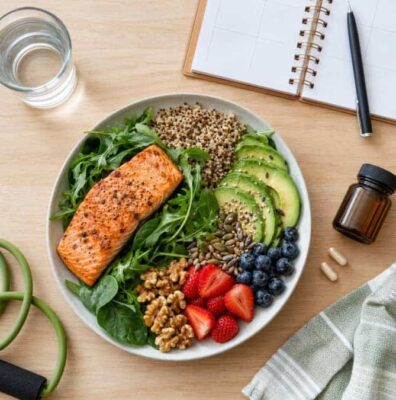
- Lean poultry and fish
- Eggs
- Dairy products
- Beans and lentils
- Soy foods
- Nuts and seeds
- Whole grains
- Fresh fruits and vegetables
Nutrients That Support Dopamine Production
Understanding Dopamine Supplements
- L-tyrosine
- Mucuna pruriens
- Vitamin B complex
- Iron supplements for people with diagnosed deficiencies
- Magnesium
- Omega-3 fatty acids
Supplements Are Not a Replacement for Healthy Habits
When Supplements May Be Helpful
A Balanced Daily Routine
- Eating regular meals that include quality protein
- Choosing whole grains over refined carbohydrates
- Eating a variety of fruits and vegetables each day
- Including healthy fats such as fish, nuts, and seeds
- Exercising most days of the week
- Sleeping seven to nine hours each night
- Practicing stress management through meditation, deep breathing, or yoga
- Staying well hydrated
Avoid Chasing Quick Results
Supporting Overall Brain Health
Final Thoughts
Backyard Herb Gardens Gain Popularity Through Lucido Real Estate Wellness Design

What once looked like a small hobby for retirees or longtime gardeners has quietly become part of a bigger wellness movement. Across many suburban communities, homeowners are building small herb gardens beside patios, fences, and kitchen windows.
In several active Lucido Real Estate developments, residents have started treating these gardens as part of the home itself rather than just outdoor decoration.
One homeowner laughed while trimming parsley beside her outdoor dining table. “I planted three tiny herbs last year,” she said, “and somehow it became the calmest part of my week.” Stories like that are becoming more common as outdoor spaces slowly take on a more meaningful role in daily routines.
Small Gardens, Bigger Lifestyle Shifts
Modern wellness-focused homes are no longer defined only by home gyms or oversized kitchens. Buyers are paying closer attention to natural light, walkable neighborhoods, and outdoor areas that encourage slower and healthier habits. Herb gardens fit naturally into that lifestyle.
There’s something satisfying about stepping outside to grab fresh oregano or basil while cooking dinner. Even people with almost no gardening experience are trying it. Raised boxes and compact planters have made gardening less intimidating, especially for first-time homeowners.
A landscaping contractor said edible gardens have noticeably increased in popularity during the past two years. Not massive vegetable farms, just manageable spaces filled with herbs, tomatoes, peppers, and leafy greens.
“People want things they can actually use every day,” he explained. “They want homes that feel lived in.”
That growing interest reflects a broader shift in how people think about daily life. More families are trying to cook at home more often instead of relying on packaged meals every night.
Others simply want a small routine that helps them slow down after work. A backyard herb garden may not completely transform a household, but it often changes the atmosphere in quiet ways.
Wellness Design Feels More Human
Another noticeable change in newer communities is how outdoor areas are being designed. They no longer feel purely decorative. Covered patios, wood accents, and garden-friendly spaces are being planned with actual use in mind, encouraging residents to spend more time outside.
During a visit to one neighborhood, several families talked about trading herbs the same way neighbors once exchanged recipes. One resident joked that mint spreads faster than gossip.
The comment got a laugh, but it also captured something important. These gardens create small moments of interaction between people who might otherwise stay indoors.
Parents are noticing the effects as well. Some say their children now volunteer to water plants or check whether strawberries are finally ripe. For a few minutes each day, attention shifts away from phones and screens toward something tangible and alive.
Design trends today are increasingly tied to well-being. Buyers are searching for homes that naturally support healthier routines instead of depending entirely on expensive gadgets, subscriptions, or quick fixes.
In some ways, these smaller lifestyle adjustments resemble the ideas found in a practical guide to help you make any meal healthier, where small choices gradually shape long-term habits.
A Greener Outlook for Modern Communities
The popularity of herb gardens reflects a larger interest in holistic living. Homes are being designed not only for comfort, but also for rest, connection, and healthier everyday routines.
For many families, wellness no longer starts at the gym or a specialty store. Sometimes it begins outside the back door, with fresh herbs, warm sunlight, and the simple habit of preparing dinner with ingredients they grew themselves.
Safe Ingredient Handling and Storage Practices in Modern Nutrition Research
Food safety errors contribute to millions of illnesses each year, and research environments face similar risks when ingredients and laboratory materials are stored improperly. Sterile liquids, powdered compounds, nutritional samples, and reconstitution materials can lose stability when exposed to contamination, temperature fluctuations, or poor handling practices. Research teams working in nutrition science, wellness testing, and laboratory analysis often rely on strict storage protocols to protect sample integrity and ensure accurate outcomes.
Common mistakes include leaving reconstituted materials at room temperature too long, using non-sterile tools during preparation, or storing sensitive liquids in unsuitable containers. Educational resources discussing how to store bac water and similar sterile solutions continue to highlight the importance of temperature control, contamination prevention, and expiration awareness in research and wellness settings. Proper handling procedures help reduce the risk of microbial growth while preserving the reliability of ingredients used in nutritional testing and preparation.
Why Storage Problems Continue to Affect Nutrition Research
Modern nutrition studies often involve highly sensitive compounds. Vitamins, amino acids, probiotics, peptides, and liquid supplements may degrade when exposed to heat, moisture, oxygen, or light. Small storage errors can affect the chemical composition of ingredients and lead to inconsistent findings.
The U.S. Food and Drug Administration (FDA) notes that contamination risks increase when sterile products are exposed to unclean handling conditions or improper storage environments. Research shows that repeated opening and closing of containers may introduce airborne microorganisms, especially when protective handling procedures are ignored.
Temperature instability remains one of the biggest challenges. Refrigerated materials that experience frequent warming and cooling cycles may lose potency faster than expected. Data published by The World Health Organization (WHO) also emphasizes that controlled storage conditions play a major role in preserving biological and pharmaceutical materials.
Nutrition laboratories are not the only environments affected. Home wellness enthusiasts, supplement researchers, and independent testing facilities often manage small quantities of reconstituted ingredients without access to industrial-grade storage systems. This increases the need for simple and reliable safety procedures.
Why Sterile Storage Conditions Matter
Sterility is essential because contamination can alter both safety and accuracy. Bacteria, mold, and environmental particles may enter storage containers during preparation or repeated handling. Even a small amount of contamination can compromise an entire batch.
The Centers for Disease Control and Prevention (CDC) explains that sterile preparation areas reduce the spread of harmful microorganisms and help maintain product integrity. Clean handling methods are especially important when working with liquids intended for mixing, dilution, or laboratory evaluation.
Improper storage may also create misleading research results. If a nutrient sample degrades due to poor refrigeration, researchers may incorrectly assume the ingredient itself is ineffective. Experts note that reliable scientific conclusions depend heavily on maintaining stable storage conditions throughout the testing process.
Light exposure presents another overlooked problem. Certain vitamins and compounds break down when exposed to direct sunlight or fluorescent lighting for long periods. Amber containers, opaque storage systems, and dark refrigeration spaces are often recommended for light-sensitive materials.
Step 1: Prepare a Clean Storage Environment
Safe ingredient handling starts before any material is opened. Surfaces should be cleaned and disinfected before preparation begins. Gloves, alcohol wipes, sterile syringes, and sanitized tools help reduce accidental contamination.
The National Institutes of Health (NIH) advises maintaining clean preparation spaces when handling sterile compounds and laboratory solutions. Research environments should also separate food items from scientific materials to reduce cross-contamination risks.
- Disinfect countertops before use
- Wash hands thoroughly before handling materials
- Use sterile equipment whenever possible
- Avoid touching container openings directly
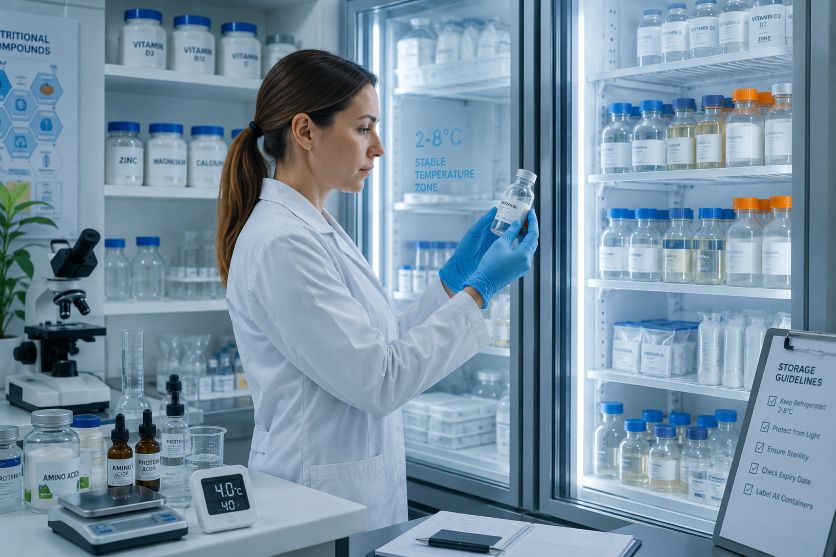
- Keep storage areas dry and temperature controlled
Simple organizational habits can significantly improve product stability and cleanliness.
Step 2: Understand Temperature Requirements
Different ingredients require different storage temperatures. Some materials remain stable at room temperature before opening, while others require refrigeration immediately after preparation.
Research published by The United States Pharmacopeia (USP) shows that temperature fluctuations may accelerate chemical breakdown in sensitive compounds. Refrigeration typically slows bacterial growth and helps maintain stability for many sterile liquids and nutritional preparations.
General refrigeration guidelines often recommend temperatures between 2°C and 8°C for temperature-sensitive materials. Freezing, however, may damage certain compounds and alter consistency. Reading manufacturer recommendations carefully is critical because storage requirements vary widely between products.
Storage areas should also avoid excessive humidity. Moisture buildup may affect powdered ingredients and increase contamination risks over time.
Step 3: Label and Monitor All Materials
Clear labeling reduces confusion and prevents expired materials from remaining in circulation. Every container should include preparation dates, expiration timelines, and handling instructions whenever possible.
Laboratory managers frequently use inventory tracking systems to monitor storage duration and refrigeration conditions. Smaller wellness facilities and independent researchers can apply similar principles using basic labels and storage logs.
- Write preparation dates clearly
- Record expiration information
- Track refrigeration requirements
- Separate opened and unopened materials
- Discard questionable or damaged products immediately
The Institute of Food Technologists (IFT) highlights that traceability improves both safety and consistency in research and food science operations. Organized monitoring systems also reduce waste by preventing unnecessary disposal of properly stored ingredients.
Step 4: Minimize Exposure During Use
Repeated exposure to open air increases contamination risks. Each time a container is opened, microorganisms from the surrounding environment may enter. Reducing unnecessary handling helps preserve sterility and product quality.
Experts often recommend preparing only the amount needed for immediate use. Smaller storage containers may also reduce repeated exposure compared to one large shared container.
Protective practices include:
- Opening containers only when necessary
- Using sterile transfer tools
- Closing lids immediately after use
- Avoiding direct contact with dispensing surfaces
- Keeping containers away from food preparation areas
The Occupational Safety and Health Administration (OSHA) stresses the importance of contamination control procedures in laboratory environments where sterile materials are handled regularly.
Step 5: Dispose of Materials Safely
Expired or contaminated products should never remain in active storage. Materials showing discoloration, unusual odor, cloudiness, or damaged packaging may no longer be safe for use.
Research facilities often follow regulated disposal procedures for sterile materials and laboratory waste. Smaller operations should still prioritize responsible disposal methods to avoid accidental misuse or contamination.
Expired items should be clearly separated from active inventory before disposal. Containers should also remain sealed during disposal whenever possible.
Long-Term Best Practices for Product Stability
Reliable storage systems depend on consistency rather than complicated equipment. Stable temperatures, clean handling routines, organized labeling, and contamination prevention remain the foundation of safe ingredient management.
Nutrition research continues to evolve alongside growing interest in wellness science, supplementation, and laboratory-based ingredient analysis. Safe handling practices are equally relevant outside laboratory settings, especially as consumers pay closer attention to food quality and preparation methods while traveling. Discussions surrounding healthy eating during travel and outdoor activities also highlight how temperature control, sanitation, and ingredient stability influence overall nutritional safety in real-world environments. As more facilities work with sensitive compounds and reconstituted materials, safe storage practices become increasingly important for maintaining quality and research accuracy.
The Food and Agriculture Organization of the United Nations (FAO) notes that proper handling standards support both public health and scientific reliability across food and nutrition systems. Clean environments and responsible storage methods help reduce waste while protecting the integrity of research materials.
Practical storage habits may seem simple, yet they play a major role in maintaining sterile conditions and preserving ingredient stability. Whether managing laboratory supplies, nutritional compounds, or sterile reconstitution liquids, careful handling remains one of the most effective ways to support safe and dependable research outcomes.
Turkesterone for Clean Gains: How a Muscle Support Supplement Can Fit Into a Healthy Eating Lifestyle
Nearly 1 in 3 adults in the U.S. takes a dietary supplement, often to support fitness goals and better health, according to the National Institutes of Health.
If you’ve ever stood in the supplement aisle scratching your head over bottles promising “clean gains” and muscle magic, you’re not alone. That feeling hit me hard one Saturday morning when I first stumbled across something called turkesterone and wondered whether it was a shortcut or a sidekick to real food. While a supplement can have a place, the foundation of any strong body is the food on your plate, not pills in your hand. And yes, you can buy turkesterone if after learning more, it feels like a good fit for you.
What Is Turkesterone, Anyway?
At its simplest, turkesterone is a plant-derived compound, part of a class called ecdysteroids. These are naturally occurring in insects and some plants, especially in species like Ajuga turkestanica. Unlike synthetic steroids, turkesterone is not a hormone in the human body. It has roots in traditional herbal use, especially in parts of Central Asia. More recently, fitness folks have been talking about it for supporting muscle protein synthesis and recovery, which sounds great if you’re someone who lifts or trains often.
Here’s where the science gets interesting. Early lab studies and animal research show ecdysteroids interacting with muscle tissue in ways that could influence protein building. Human research is smaller, less conclusive, and still emerging. That means we can’t yet claim turkesterone will turn your workouts into superhero-level gains overnight. But the idea is that it may help your muscles repair and adapt when your overall diet is solid and your body is getting the nutrients it needs.
Why Whole Foods Still Rule
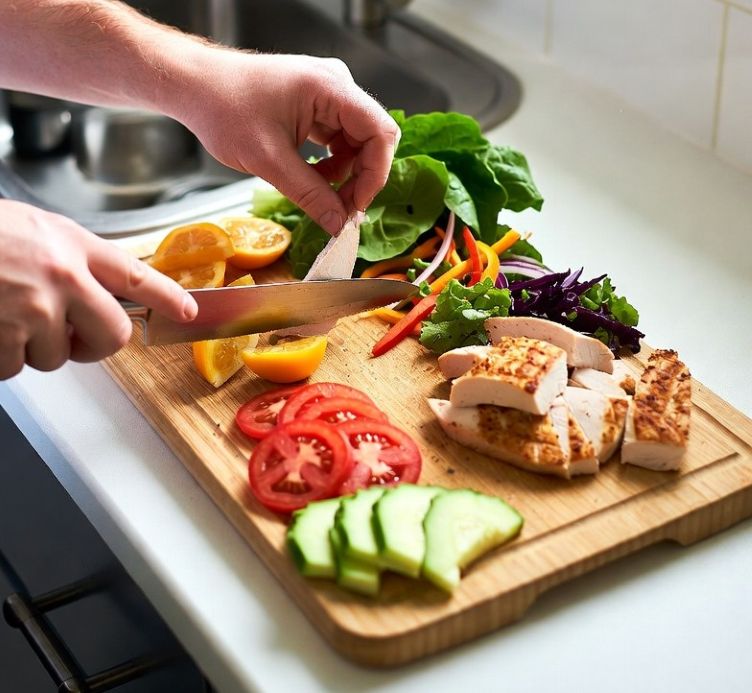
Let’s be honest. I love efficiency, but I also love a crisp kale salad. Nutrition experts at organizations like the Academy of Nutrition and Dietetics remind us that whole foods deliver a package of nutrients you can’t replicate in a capsule. Proteins, healthy fats, fiber, vitamins, and minerals. It’s like having a complete symphony on your plate.
For muscle health, you need enough quality protein from food sources such as lean meats, tofu, beans, eggs, dairy, or fish. Carbohydrates give your workouts fuel, and healthy fats support your hormones and energy. When I talk with friends who are serious about fitness, they rarely brag about the latest supplement. Instead, they pay attention to meals like grilled salmon with quinoa, or chickpeas tossed with spinach and sweet potatoes. That’s real muscle fuel.
Supplements can be helpful, but they work best when they support a diet that is already rich in nutrient-dense foods. Taking a pill while your plate is piled with processed snacks isn’t going to help you achieve the clean gains you want.
How Turkesterone Might Fit In
Think of turkesterone as a possible sidekick to your food-first approach. If your calories and macros are dialed in, your proteins are high quality, and you’re sleeping and training smart, turkesterone may help your muscles recover after sweat sessions. Some folks use it during training cycles to support performance and minimize soreness. Others take it more casually because they simply want nutritional backing for their hard work at the gym.
From personal experience, when I tried a turkesterone supplement during a phase of heavy training, I didn’t suddenly grow Hulk-like arms. What I did notice was a slight decrease in the muscle ache that usually greets me the morning after leg day. That could’ve been placebo or real; either way, it reminded me that context matters. My meals were balanced, I was hydrated, and I was getting sleep. If any of those elements were missing, a supplement alone wouldn’t have saved the day.
How It Works With Food
Let’s get practical. If you’re serious about muscle support, your daily eats should include:
- Protein at each meal, especially after training (think: Greek yogurt, grilled chicken, lentils)
- Complex carbs for energy (whole grains, fruits, starchy vegetables)
- Healthy fats (avocado, nuts, seeds, olive oil)
- Plenty of water and fiber-rich veggies for digestion
For breakfast, consider options that are not just quick but nourishing. You can find plenty of healthy breakfast ideas that combine protein, carbs, and fats to kickstart your day. Supplements like turkesterone work best when those basics are in place. Pairing it with balanced meals helps your body use the nutrients efficiently and could support recovery and energy levels. For example, taking a turkesterone supplement with breakfast or lunch that includes protein and carbs may help your body maintain steady amino acid levels throughout the day.
Keep Expectations Real
One thing I’ve learned having tried countless diets and plans is that there’s no silver bullet. Real muscle growth is slow and steady. It’s waking up early to prep meals, choosing whole foods most of the time, and trusting the process even when the scale doesn’t move or the mirror doesn’t change overnight. If you include a supplement like turkesterone, do it with awareness. See it as part of a larger lifestyle that supports your goals rather than the star of the show.
Conclusion: Supplements as Support, Food as Foundation
Healthy eating is the bedrock of muscle building and overall well-being. Supplements like turkesterone might provide a helpful nudge, especially when paired with nutrient-rich meals and smart training. But they should never replace the foods that give your body essential building blocks for growth and repair. If you decide to use turkesterone, remember it’s one piece of a bigger puzzle — one that’s shaped mostly by what you choose to eat day in and day out. Used thoughtfully, turkeysterone could complement your food-first lifestyle and help reinforce your journey toward clean gains.
Used wisely, even a supplement can help reinforce smart eating and fitness habits, especially when food remains the priority for energy, recovery, and life-long health. Turkesterone can be a helpful addition for some, but it’s your meals that make the real magic happen.
Shoe Insole Refurbishment: Support Your Active, Healthy Lifestyle From the Ground Up
Foot pain affects more than half of active adults at some point, according to data from the American Podiatric Medical Association. That discomfort often traces back to worn shoe insoles that no longer absorb impact or guide movement properly. When the base of your body breaks down, every step asks more of your joints, muscles, and energy.
Healthy eating gives your body fuel, but movement quality decides how well that fuel gets used. Strong foot support plays a direct role in balance, posture, and endurance. Services like shoe insole refurbishment restore cushioning, structure, and surface materials so footwear can keep up with an active routine. Refreshed insoles help shoes feel supportive again, making daily walks and workouts more sustainable.

Why Foot Support Shapes Overall Movement
Every step sends force through your feet and up the kinetic chain. When insoles are compressed or uneven, that force spreads poorly. Ankles work harder to stabilize, knees absorb extra shock, and hips shift to compensate. Over time, these small changes can affect gait and reduce exercise enjoyment.
Properly supported feet encourage smoother motion. Weight transfers evenly from heel to toe, muscles fire in the right sequence, and posture stays more upright. This efficiency matters whether you are jogging, strength training, or walking for stress relief. Better movement helps you stay consistent, which is essential for long-term health.
How Refurbished Insoles Restore Comfort
Insoles wear out faster than shoes. Sweat, pressure, and repeated impact flatten foam and break down covers. Many people replace footwear early because comfort fades, even though the outer shoe still has life left.
Refurbished insoles address the problem directly. Cushioning layers are rebuilt, worn top covers are replaced, and support zones are reinforced. The result feels familiar but improved, like stepping into a well-broken-in shoe that suddenly regains its bounce. This renewed comfort can reduce fatigue during longer workouts and daily errands.
Supporting an Active Lifestyle at Any Age
Staying active becomes more important with time, yet foot discomfort is a common barrier. Morning walks turn shorter, gym sessions feel heavier, and recovery takes longer. Foot support may seem minor, but it often decides whether activity feels inviting or draining.
Maintaining footwear components helps remove that barrier. When your shoes work as intended, movement feels natural again. This encourages regular activity, supports calorie burn, and complements a balanced diet aimed at maintaining muscle and joint health.
Movement and Nutrition Work Together
Nutrition supports muscles, bones, and recovery. Movement puts those nutrients to use. Many people looking to become healthy focus on food choices first, yet foot support often decides how well the body can move. When insoles wear down, even a balanced diet cannot offset the strain of inefficient motion.
This connection explains why many athletes and everyday walkers pay close attention to footwear maintenance. It is a practical way to protect training habits and daily mobility without major lifestyle changes.
Practical Benefits You Can Feel
- Reduced pressure on heels and arches during activity
- Improved balance and stability on varied surfaces
- Less muscle fatigue after long walks or workouts
- Extended life of favorite shoes
These benefits add up. When movement feels easier, staying active becomes a habit instead of a chore. That consistency supports heart health, weight management, and mental well-being.
A Smarter Way to Care for Your Body
Health routines often focus on food plans and exercise schedules. Foot support rarely gets the same attention, yet it influences how well those efforts work. Simple maintenance choices can protect your joints and energy over time.
Choosing shoe insole refurbishment is one such decision. By restoring the foundation of your movement, you create conditions for steady activity and better use of the nutrients you consume. Healthy living starts from the ground up, one supported step at a time.
Healthy Eating on the Go: Your Agafay Desert Guide for Nutritious Travel Meals
The Agafay Desert delivers dramatic rocky hills and wide-open skies just 40 minutes from Marrakech. Many visitors spend full days riding camels, racing quads, or hiking dunes. Strong energy matters here. Smart food and water choices keep you moving without crashes or discomfort.
Planning ahead makes all the difference. A detailed guide to the Agafay Desert (guide du désert d’Agafay) helps with transport and activities, but your own cooler bag becomes just as important. Pack light, non-perishable items that travel well in heat.
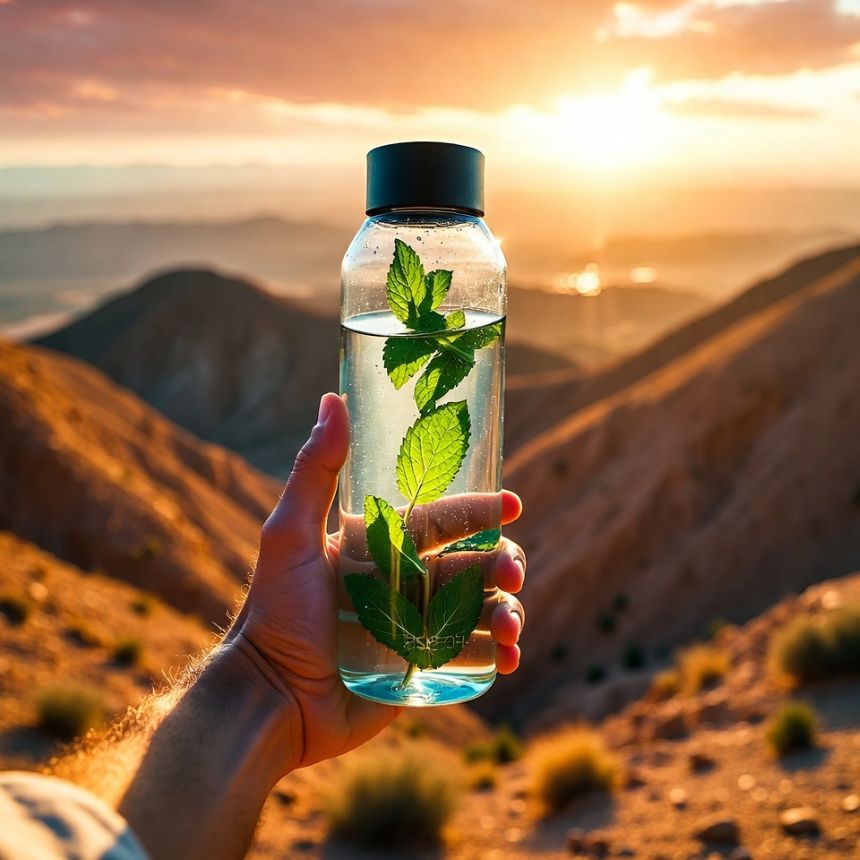
The Agafay Desert rewards visitors who arrive prepared.
Pack These Portable Snacks
Desert temperatures climb fast after sunrise. Choose snacks that resist melting and provide steady fuel. Here are proven options:
- Nuts and seeds – Almonds, walnuts, pumpkin seeds. High in healthy fats and protein.
- Dried fruit without added sugar – Apricots, figs, dates (Moroccan dates taste amazing and grow nearby).
- Whole-grain crackers or rice cakes paired with single-serve peanut or almond butter packets.
- Jerky or biltong – Look for low-sodium versions if possible.
- Fresh fruit that travels – Apples, mandarins, and pomegranates hold up better than bananas.
Store everything in a small insulated bag with an ice pack. Most desert camps allow you to leave the bag in the shade or a fridge until you return.
Stay Hydrated the Smart Way
Dehydration hits quickly when you combine heat, wind, and activity. Plain water works, yet adding natural flavor keeps you drinking more.
- Carry a reusable bottle of at least 1.5 liters.
- Add slices of lemon, cucumber, or fresh mint from the Marrakech souk.
- Try rehydration tabs with electrolytes but no artificial sweeteners.
- At camp, ask for atay nana (mint tea) served lightly sweetened or unsweetened. The mint cools you down.
During quad or camel excursions, sip every 15–20 minutes even if you don’t feel thirsty. Your body thanks you later.
Choose Wholesome Meals at Desert Camps
Most Agafay desert lodges serve a set menu at lunch or dinner. Traditional Moroccan food can be very healthy when you pick the right dishes.
Start with vegetable tagine loaded with carrots, zucchini, potatoes, and chickpeas. Ask for it cooked with olive oil instead of excessive butter. Pair it with whole-wheat couscous or barley if available.
Grilled meats like chicken, kefta, or lamb brochettes offer lean protein. Request them without heavy sauce. The classic salad of tomato, cucumber, onion, and parsley refreshes and rehydrates.
For dessert, fresh seasonal fruit beats sugary pastries every time. Many camps now offer plant-based and gluten-free options if you notify them in advance.
Why Balanced Eating Boosts Your Desert Day
Mindful eating also deepens the experience.
Protein, complex carbs, and healthy fats keep blood sugar stable. That means fewer headaches, better focus on the stunning views, and legs that still work for sunset hill climbs. Travelers who snack on dates and nuts instead of biscuits report longer, happier adventures.
Mindful eating also deepens the experience. Pause to taste the smoky grilled vegetables or the sweetness of a fresh orange while watching the light change over the stones. Food becomes part of the memory instead of just fuel.
Quick Pre-Trip Checklist
- Insulated snack bag + ice pack
- 1.5–2 liters water per person + mint or lemon
- Mixed nuts, dried fruit, whole-grain crackers
- Sunscreen, hat, and reusable bottle
- Notify your camp about dietary needs 24 hours ahead
LEARN MORE. Explore this guide on how to make meals healthier – A Practical Guide To Help You Make Any Meal Healthier
The Agafay Desert rewards visitors who arrive prepared. Good nutrition lets you ride longer, laugh louder, and soak in every golden hour. Eat simple, local, and fresh, and the rocky desert will feel like the perfect playground instead of a challenge.
Next time you book your Agafay adventure, pack that healthy snack bag. Your body, and the desert sunset, will thank you.
A Simple Idea On How To Become Healthy
Here’s a quick summary on how to become healthy:
Eat well – Focus on whole foods, stay hydrated, and avoid processed junk.
Exercise regularly – Include cardio, strength training, and stretching.
Sleep enough – Aim for 7–9 hours of quality sleep each night.
Manage stress – Use mindfulness, relaxation, and healthy coping methods.
Avoid harmful habits – Don’t smoke, limit alcohol, and reduce screen time.
Get regular checkups – Stay on top of your health with doctor visits.
Support your mental health – Stay connected, practice gratitude, and pursue what you enjoy.
Related Video:
https://www.lovingourguts.com
Daily Habits Developing And Maintaining A Healthy Plate
Maintaining a healthy plate consistently means developing daily habits around food choices, cooking, and portion control. Here’s a practical step-by-step guide to help you do that:
Follow the Healthy Plate Formula
Plan Your Meals
Stock a Healthy Kitchen
Use Healthier Cooking Methods
Be Mindful of Add-Ons
Watch Portion Sizes
Eat Mindfully
A Practical Guide To Help You Make Any Meal Healthier
Making your food healthy doesn’t mean sacrificing flavor—it means choosing ingredients and cooking methods that support your long-term health.
Here’s how:
Choose Whole Ingredients
Cook with Healthier Methods
Watch Salt, Sugar, and Processed Foods
Balance Your Plate
Be Mindful of Portion Sizes
Stay Smart with Drinks
A Healthy Breakfast Preparation
Preparing a healthy breakfast is all about balance: combining complex carbohydrates, lean proteins, healthy fats, and fiber to give you energy and keep you full longer.


