
Turkesterone for Clean Gains: How a Muscle Support Supplement Can Fit Into a Healthy Eating Lifestyle
Nearly 1 in 3 adults in the U.S. takes a dietary supplement, often to support fitness goals and better health, according to the National Institutes of Health.
If you’ve ever stood in the supplement aisle scratching your head over bottles promising “clean gains” and muscle magic, you’re not alone. That feeling hit me hard one Saturday morning when I first stumbled across something called turkesterone and wondered whether it was a shortcut or a sidekick to real food. While a supplement can have a place, the foundation of any strong body is the food on your plate, not pills in your hand. And yes, you can buy turkesterone if after learning more, it feels like a good fit for you.
What Is Turkesterone, Anyway?
At its simplest, turkesterone is a plant-derived compound, part of a class called ecdysteroids. These are naturally occurring in insects and some plants, especially in species like Ajuga turkestanica. Unlike synthetic steroids, turkesterone is not a hormone in the human body. It has roots in traditional herbal use, especially in parts of Central Asia. More recently, fitness folks have been talking about it for supporting muscle protein synthesis and recovery, which sounds great if you’re someone who lifts or trains often.
Here’s where the science gets interesting. Early lab studies and animal research show ecdysteroids interacting with muscle tissue in ways that could influence protein building. Human research is smaller, less conclusive, and still emerging. That means we can’t yet claim turkesterone will turn your workouts into superhero-level gains overnight. But the idea is that it may help your muscles repair and adapt when your overall diet is solid and your body is getting the nutrients it needs.
Why Whole Foods Still Rule
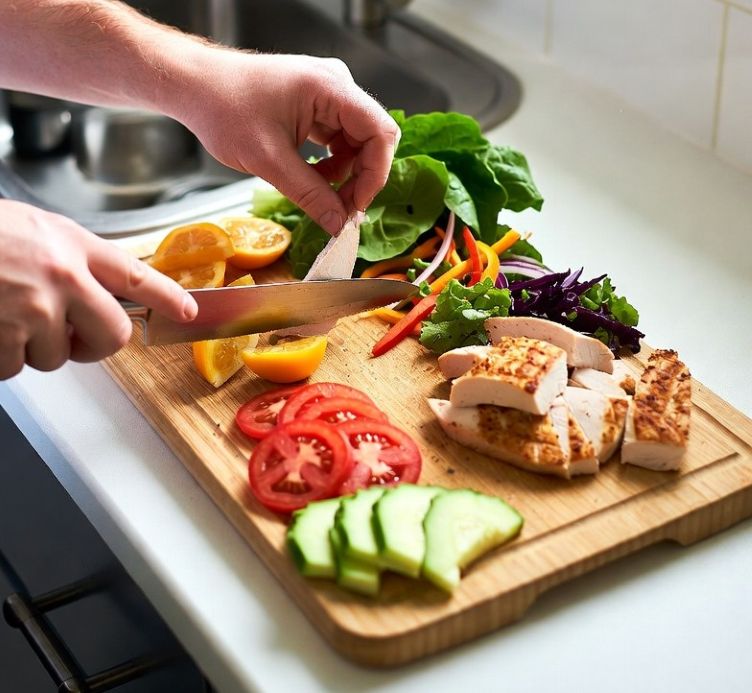
Let’s be honest. I love efficiency, but I also love a crisp kale salad. Nutrition experts at organizations like the Academy of Nutrition and Dietetics remind us that whole foods deliver a package of nutrients you can’t replicate in a capsule. Proteins, healthy fats, fiber, vitamins, and minerals. It’s like having a complete symphony on your plate.
For muscle health, you need enough quality protein from food sources such as lean meats, tofu, beans, eggs, dairy, or fish. Carbohydrates give your workouts fuel, and healthy fats support your hormones and energy. When I talk with friends who are serious about fitness, they rarely brag about the latest supplement. Instead, they pay attention to meals like grilled salmon with quinoa, or chickpeas tossed with spinach and sweet potatoes. That’s real muscle fuel.
Supplements can be helpful, but they work best when they support a diet that is already rich in nutrient-dense foods. Taking a pill while your plate is piled with processed snacks isn’t going to help you achieve the clean gains you want.
How Turkesterone Might Fit In
Think of turkesterone as a possible sidekick to your food-first approach. If your calories and macros are dialed in, your proteins are high quality, and you’re sleeping and training smart, turkesterone may help your muscles recover after sweat sessions. Some folks use it during training cycles to support performance and minimize soreness. Others take it more casually because they simply want nutritional backing for their hard work at the gym.
From personal experience, when I tried a turkesterone supplement during a phase of heavy training, I didn’t suddenly grow Hulk-like arms. What I did notice was a slight decrease in the muscle ache that usually greets me the morning after leg day. That could’ve been placebo or real; either way, it reminded me that context matters. My meals were balanced, I was hydrated, and I was getting sleep. If any of those elements were missing, a supplement alone wouldn’t have saved the day.
How It Works With Food
Let’s get practical. If you’re serious about muscle support, your daily eats should include:
- Protein at each meal, especially after training (think: Greek yogurt, grilled chicken, lentils)
- Complex carbs for energy (whole grains, fruits, starchy vegetables)
- Healthy fats (avocado, nuts, seeds, olive oil)
- Plenty of water and fiber-rich veggies for digestion
For breakfast, consider options that are not just quick but nourishing. You can find plenty of healthy breakfast ideas that combine protein, carbs, and fats to kickstart your day. Supplements like turkesterone work best when those basics are in place. Pairing it with balanced meals helps your body use the nutrients efficiently and could support recovery and energy levels. For example, taking a turkesterone supplement with breakfast or lunch that includes protein and carbs may help your body maintain steady amino acid levels throughout the day.
Keep Expectations Real
One thing I’ve learned having tried countless diets and plans is that there’s no silver bullet. Real muscle growth is slow and steady. It’s waking up early to prep meals, choosing whole foods most of the time, and trusting the process even when the scale doesn’t move or the mirror doesn’t change overnight. If you include a supplement like turkesterone, do it with awareness. See it as part of a larger lifestyle that supports your goals rather than the star of the show.
Conclusion: Supplements as Support, Food as Foundation
Healthy eating is the bedrock of muscle building and overall well-being. Supplements like turkesterone might provide a helpful nudge, especially when paired with nutrient-rich meals and smart training. But they should never replace the foods that give your body essential building blocks for growth and repair. If you decide to use turkesterone, remember it’s one piece of a bigger puzzle — one that’s shaped mostly by what you choose to eat day in and day out. Used thoughtfully, turkeysterone could complement your food-first lifestyle and help reinforce your journey toward clean gains.
Used wisely, even a supplement can help reinforce smart eating and fitness habits, especially when food remains the priority for energy, recovery, and life-long health. Turkesterone can be a helpful addition for some, but it’s your meals that make the real magic happen.


