
Backyard Herb Gardens Gain Popularity Through Lucido Real Estate Wellness Design
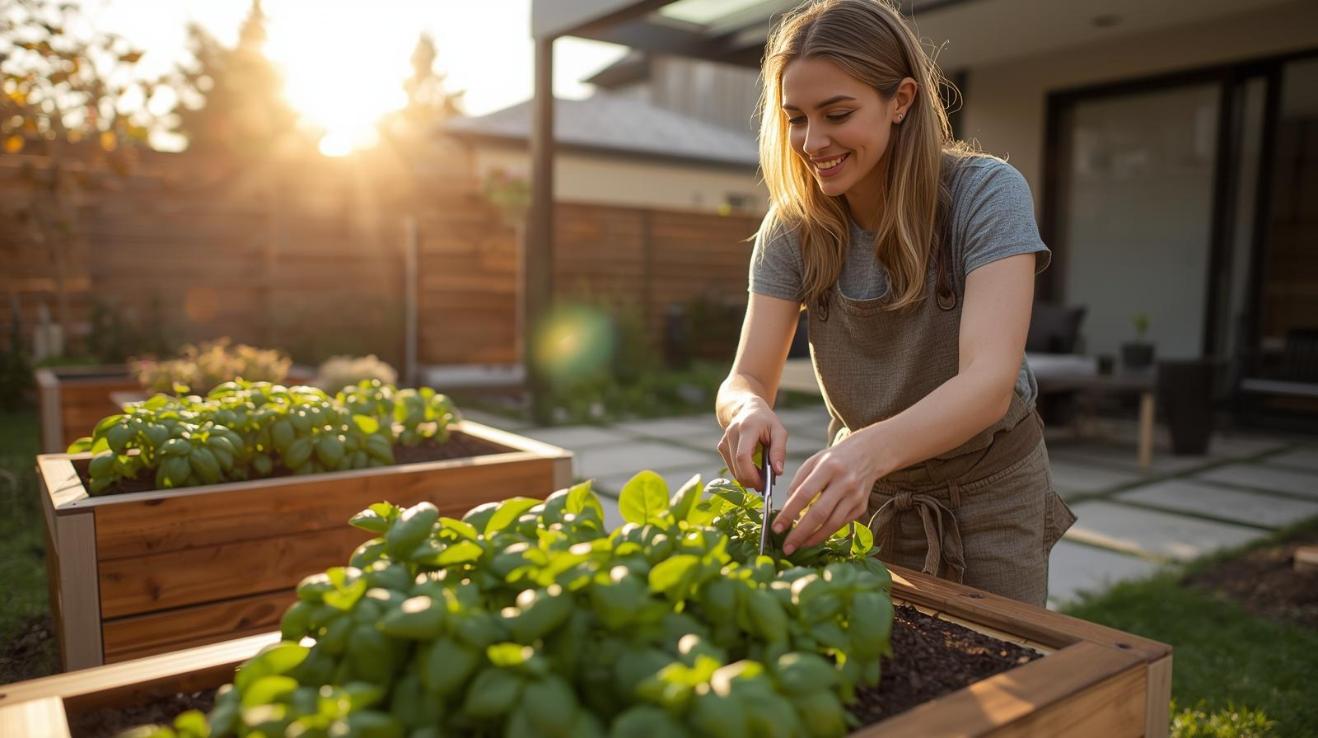
What once looked like a small hobby for retirees or longtime gardeners has quietly become part of a bigger wellness movement. Across many suburban communities, homeowners are building small herb gardens beside patios, fences, and kitchen windows.
In several active Lucido Real Estate developments, residents have started treating these gardens as part of the home itself rather than just outdoor decoration.
One homeowner laughed while trimming parsley beside her outdoor dining table. “I planted three tiny herbs last year,” she said, “and somehow it became the calmest part of my week.” Stories like that are becoming more common as outdoor spaces slowly take on a more meaningful role in daily routines.
Small Gardens, Bigger Lifestyle Shifts
Modern wellness-focused homes are no longer defined only by home gyms or oversized kitchens. Buyers are paying closer attention to natural light, walkable neighborhoods, and outdoor areas that encourage slower and healthier habits. Herb gardens fit naturally into that lifestyle.
There’s something satisfying about stepping outside to grab fresh oregano or basil while cooking dinner. Even people with almost no gardening experience are trying it. Raised boxes and compact planters have made gardening less intimidating, especially for first-time homeowners.
A landscaping contractor said edible gardens have noticeably increased in popularity during the past two years. Not massive vegetable farms, just manageable spaces filled with herbs, tomatoes, peppers, and leafy greens.
“People want things they can actually use every day,” he explained. “They want homes that feel lived in.”
That growing interest reflects a broader shift in how people think about daily life. More families are trying to cook at home more often instead of relying on packaged meals every night.
Others simply want a small routine that helps them slow down after work. A backyard herb garden may not completely transform a household, but it often changes the atmosphere in quiet ways.
Wellness Design Feels More Human
Another noticeable change in newer communities is how outdoor areas are being designed. They no longer feel purely decorative. Covered patios, wood accents, and garden-friendly spaces are being planned with actual use in mind, encouraging residents to spend more time outside.
During a visit to one neighborhood, several families talked about trading herbs the same way neighbors once exchanged recipes. One resident joked that mint spreads faster than gossip.
The comment got a laugh, but it also captured something important. These gardens create small moments of interaction between people who might otherwise stay indoors.
Parents are noticing the effects as well. Some say their children now volunteer to water plants or check whether strawberries are finally ripe. For a few minutes each day, attention shifts away from phones and screens toward something tangible and alive.
Design trends today are increasingly tied to well-being. Buyers are searching for homes that naturally support healthier routines instead of depending entirely on expensive gadgets, subscriptions, or quick fixes.
In some ways, these smaller lifestyle adjustments resemble the ideas found in a practical guide to help you make any meal healthier, where small choices gradually shape long-term habits.
A Greener Outlook for Modern Communities
The popularity of herb gardens reflects a larger interest in holistic living. Homes are being designed not only for comfort, but also for rest, connection, and healthier everyday routines.
For many families, wellness no longer starts at the gym or a specialty store. Sometimes it begins outside the back door, with fresh herbs, warm sunlight, and the simple habit of preparing dinner with ingredients they grew themselves.


